FMCG is still fast moving, but no longer in one direction. Growth is being reshaped by where you play, how you build demand, and how actively you reshape your portfolio.
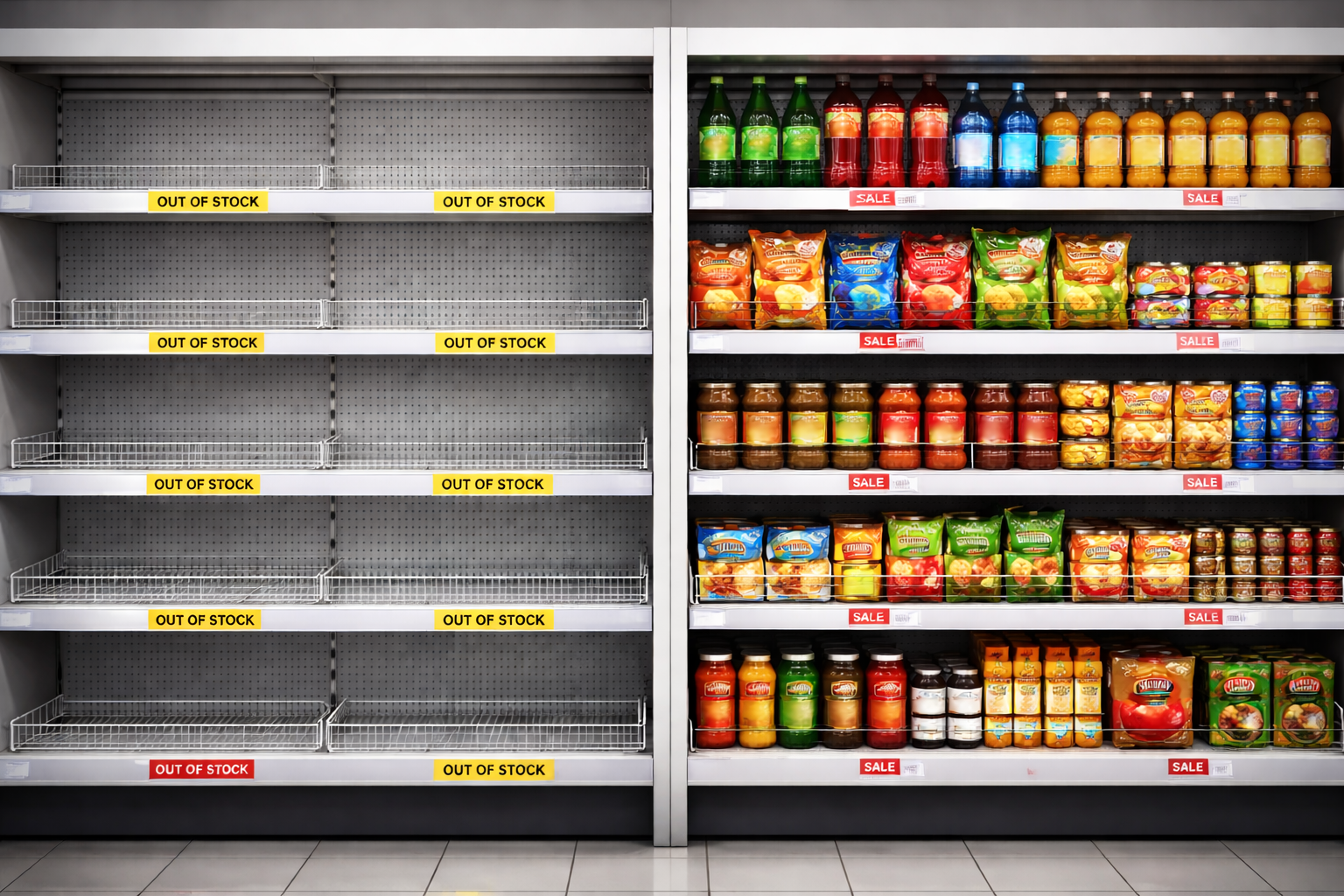 Picture created using AI
From working across multiple FMCG companies and closely following what large global players are doing, a clear pattern starts to emerge. FMCG no longer behaves like a single market. Clear differences are emerging, with some categories growing while others steadily decline. Approaching them with the same logic leads to poor decisions.
And this is not a passing trend, it is a permanent shift. The winners are those who have deliberately moved into where growth is happening, build demand beyond pricing, and use M&A to build their future rather than patch their portfolio.
Let’s take a closer look at the three forces shaping future growth in FMCG and the commercial capabilities needed to stay ahead.
1. Organic growth is the primary value driver
Many FMCG companies have relied on price increases rather than real demand to drive growth in recent years. That worked, until it didn’t. Now volumes are declining, consumers are reacting to price, and more companies are missing their financial targets. Cost cutting and various short-term fixes may buy time, but they do not create growth.
Growth can no longer be built through pricing alone. It is shifting to categories and markets where demand is genuinely expanding. This requires a different commercial mindset, as the real drivers of organic growth sit elsewhere: strong brands, relevant innovation, new usage occasions, and ultimately the ability to create demand rather than just respond to it.
→ New commercial capability required:
The ability to balance value creation and value capture, building real demand while ensuring it translates into revenue.
2. Portfolio defines where growth is possible
FMCG is structurally divided into categories moving at very different speeds. Some grow in both value and volume, others are in permanent decline. The question used to be how to outperform competitors. The more important question now is where you choose to compete.
A mid-position in a growing category outperforms a leading position in a declining one. Portfolio is no longer just an allocation decision, it determines whether you have a future worth optimising.
As growth shifts from volume to value, what you sell and at what price matters more than how much you sell. Consumers trade both up and down, making price and pack architecture critical. In the wrong category, you buy volume through promotions. In the right one, you build growth through pricing and formats.
→ New commercial capability required:
The ability to make hard choices on portfolio, pricing, and value creation in a context where growth is no longer given.
3. M&A is back as a portfolio tool
M&A has returned to the agenda of FMCG companies, but with a different role. It is no longer about scale for its own sake, but about actively reshaping the portfolio. Companies are acquiring growth where value is being created, while divesting or separating businesses that no longer have a future or follow a different logic.
→ New commercial capability required:
The ability to anticipate where value is moving and act before the market makes it obvious.
Taken together, commercial capability has shifted from strong execution toward deliberately choosing where and how to play, and shaping the game before it is defined by others.
Need help with future growth in FMCG? Fill in the form below and we'll help you forward!